ASMFC decision to return Draft Addendum II for further development is responsible due diligence
WASHINGTON, DC / ACCESS Newswire / May 13, 2026 / A May 5 statement by David Sherfinski of the Chesapeake Bay Foundation (CBF) misleadingly portrays the Atlantic States Marine Fisheries Commission (ASMFC) as ignoring “dire warning signs” in the Chesapeake Bay by delaying action on Draft Addendum II for menhaden. But the Commission’s decision is basic due diligence: the draft addendum is technically complex, and the Board acted responsibly by choosing to refine the proposal before launching public comment.
CBF’s statement, however, leans on alarmist language, including “dire warning signs,” “starving osprey chicks,” and “plummeting bait catches,” and implies those outcomes are caused by the commercial menhaden fishery. But the available evidence does not support this, and presenting these issues as settled cause-and-effect is exactly how public confidence in fisheries governance gets undermined.
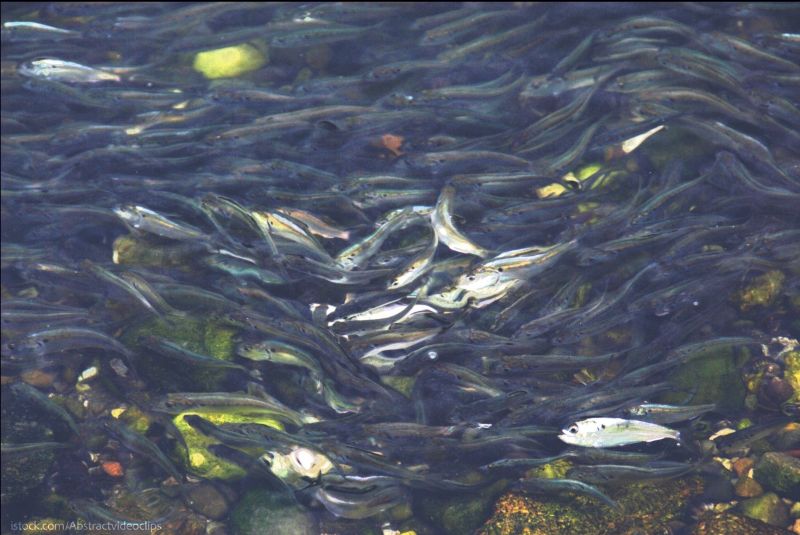
1) CBF is spinning a responsible pause as a crisis
CBF suggests the Board “delayed protections” for menhaden. But the Board’s decision to pause and form a work group reflects the reality that Draft Addendum II involves complicated design choices and real-world implementation questions that should be addressed before a public process begins.
CBF Forage Campaign Manager Will Poston called the Board’s action a “frustrating delay,” but that’s exactly backwards. Sending a complicated draft back for further development is what responsible management looks like-especially when the addendum’s mechanics and underlying assumptions are still being debated. Treating due diligence as a failure castigates the Board for doing the careful work the public expects.
2) “Dire warning signs” is hyperbole, especially when CBF treats uncertainty as a verdict
Osprey reproduction and local bait availability deserve careful attention. But referring to “dire warning signs” while implying the menhaden fishery is operating irresponsibly is not supported by the record.
On ospreys: The U.S. Geological Survey and other agencies have emphasized that multiple stressors can affect osprey productivity, and that food availability is only one factor among others such as disease, climate conditions, and water quality.
On bait: Declines in local catch cannot, by themselves, be used to diagnose a stock. Catch trends can reflect many different factors, including participation and fishing effort, costs and labor constraints, weather, shifting fish distribution, and conditions that affect where fish can live and how catchable they are.
3) Maryland Commissioner H. Russell Dize rejected scapegoating
During the May 5 Board discussion, Maryland ASMFC Commissioner H. Russell Dize warned the Board against exactly the kind of one-cause narrative CBF is pushing.
He said the Board had “taken the reduction fishery and set them out like a white elephant,” and made clear: “You can’t tell me that that’s the only problem we got with menhaden not coming into Maryland, coming up the Bay.”
Commissioner Dize continued: “You’re still not going to find the problem until we look further into what’s causing it… It’s our responsibility to find that and not just… blame this one group.”
Reflecting on his own personal history in the menhaden industry, he concluded: “I just don’t think they’re the culprit… We got other problems.”
4) CBF’s “mismanagement” insinuation clashes with the oversight record and the fishery’s MSC sustainability recertification
CBF’s statement insinuates that the fishery is being managed recklessly and must be curbed immediately. But the ASMFC’s management framework for menhaden is already precautionary and incorporates the species’ forage role through ecosystem-based reference points and oversight.
In March, the Atlantic menhaden fishery was recertified as sustainable under the Marine Stewardship Council (MSC) program. MSC is an international nonprofit that operates the widely recognized blue MSC ecolabel for wild-capture fisheries. MSC certification is based on an assessment against the MSC Fisheries Standard and carried out by independent third-party auditors. Certified fisheries have demonstrated that their fish stocks are sustainable, that they have minimized their environmental impact, and that they are managed effectively.
5) A serious policy debate requires a testable problem statement, not slogans
If the ASMFC is going to consider seasonal quota periods, rollovers, closures, or cap changes, the public deserves more than CBF’s headlines. At minimum, the proposal should clearly state:
-
What exact problem is being measured (where, when, with what data)
-
What evidence links that problem to fishery activity, as opposed to Bay-wide environmental conditions
-
What mechanism the rule is intended to change, and how success will be measured
-
How monitoring and enforcement will work in practice
That is what the work group should do, and what CBF’s statement does not do.
6) Advocacy shouldn’t substitute for evidence
Like too many CBF alarmist releases on this issue, the May 5 statement uses hyperbolic language to rile up its readers.
Chesapeake Bay challenges are real. But regulation-by-campaign, especially when it treats correlation as causation and elevates rhetoric over evidence, does not protect the Bay. It distorts public understanding and pressures regulators toward decisions that may be politically satisfying, but scientifically unmoored.
About the Menhaden Fisheries Coalition
The Menhaden Fisheries Coalition (MFC) is a collective of menhaden fishermen, related businesses, and supporting industries. Comprised of businesses along the Atlantic and Gulf coasts, the Menhaden Fisheries Coalition conducts media and public outreach on behalf of the menhaden industry to ensure that members of the public, media, and government are informed of important issues, events, and facts about the fishery.
Press Contact
Menhaden Fisheries Coalition
(202) 595-1212
www.menhaden.org
SOURCE: Menhaden Fisheries Coalition
View the original press release on ACCESS Newswire


