How Brides Can Tell Whether a Wedding Gown Should Be Preserved
Dallas, United States – April 23, 2026 / Faulkner’s Fine Dry Cleaning /
Faulkner’s Explains When Wedding Dress Preservation Is Worth It
A practical guide helps brides decide whether simple cleaning or full preservation is the right next step after the wedding day.
After the wedding day has passed and the memories have been captured in photos, many brides are left with an important decision about what to do with their gown. Faulkner’s Dry Cleaning and Laundry is helping brides better understand whether a standard cleaning is enough or whether a professional Wedding Dress Cleaning and Preservation Service is the better long-term choice.

Wedding dresses can begin to deteriorate within the first year if they are not properly cleaned and stored.
According to Faulkner’s Dry Cleaning and Laundry, the first 6 to 12 months after a wedding are especially important for gown care. Even when a dress appears clean, invisible residues from perspiration, perfume, and sugary drinks can begin to trigger oxidation that gradually changes the fabric.
Minor stains can become permanent as fibers absorb contaminants, often leading to discoloration in materials such as silk and satin. Heat, humidity, and light can further accelerate this damage, making proper storage conditions critical during this period.
Hidden residues can cause visible damage over time.
Faulkner’s Dry Cleaning and Laundry notes that many brides assume a stain is not a concern if it cannot be seen right away. In practice, the first few months are often when chemical reactions start affecting the fibers.
Common changes include oxidation that darkens clear stains such as champagne or sweat, protein-based residues from perspiration that turn yellow, and sugar particles that attract moisture and increase the risk of fabric breakdown. Silk may also weaken faster than synthetic blends when exposed to heat. Professionals frequently receive dresses a year later with underarm or hem stains that have darkened noticeably. In many cases, damage begins during the first year when a gown has not been properly cleaned or stored.
Cleaning restores a gown’s appearance, while preservation focuses on long-term protection.
Faulkner’s Dry Cleaning and Laundry explains that cleaning and preservation serve different purposes. Cleaning addresses current stains and improves the dress’s appearance, but preservation is designed to protect the garment for years to come through specialized packaging and careful storage preparation.
Preservation includes protective measures beyond standard cleaning.
Professional preservation generally includes targeted stain treatment for invisible residues, pH-balanced processing to help stabilize delicate fabrics, acid-free tissue paper to cushion folds, archival preservation boxes that reduce environmental exposure, and sealed or museum-style packaging options.
The company emphasizes that acid-free materials are especially important because standard cardboard and paper can slowly release acids as they age. Over time, those acids may contribute to yellowing and fabric damage. While cleaning prepares a dress for storage, preservation helps maintain its condition over the long term.
Improper at-home storage can increase the risk of stretching, discoloration, and fabric damage.
Faulkner’s Dry Cleaning and Laundry also cautions brides about the most common storage mistakes made after the wedding. Plastic garment bags can trap moisture, regular cardboard boxes can damage delicate materials, and attics or basements often expose gowns to heat, humidity, or pests. Leaving a dress hanging for too long can also stretch the seams, especially when the gown is heavy.
Short-term storage steps can help reduce risk while a final decision is being made.
For brides who are not ready to pursue preservation right away, Faulkner’s Dry Cleaning and Laundry recommends several temporary safeguards. A breathable cotton garment bag should be used instead of plastic, and the dress should be placed in a climate-controlled closet rather than an attic or basement. Heavy gowns should be folded gently instead of being hung for extended periods, and acid-free tissue should be placed between folds to reduce creasing stress. Direct sunlight and fluorescent lighting should also be avoided.
While these steps do not replace professional preservation, they can help lower risk and keep a dress in better condition while the bride decides on next steps.
Preservation may still be valuable even if a bride never plans to wear the dress again.
Faulkner’s Dry Cleaning and Laundry says some brides hesitate to preserve a dress because they do not intend to wear it again. However, preservation is not solely about future use. It can also protect the fabric and preserve the memories connected to the gown.
A dress may still hold long-term value if it could one day be reused or redesigned by a family member, repurposed into a christening gown, robe, or keepsake, or simply retained as an important milestone item. Delicate fabrics and heirloom-quality dresses often benefit the most from preservation. For brides planning to sell their dress soon, professional cleaning alone may be sufficient. Preservation is not required in every case, but it can be a practical way to protect a meaningful garment.
Brides can weigh sentimental and long-term considerations before deciding.
Faulkner’s Dry Cleaning and Laundry encourages brides to consider whether the dress represents a milestone they want to protect, whether a child or relative may reuse or redesign it in the future, whether the dress could be repurposed into another keepsake item, and whether the fabric is delicate enough to deteriorate without added protection.
When the sentimental or long-term value of the gown outweighs the cost of preserving it, the decision often becomes clearer.
A careful pre-storage check can help prevent avoidable damage before the dress is boxed away.
Faulkner’s Dry Cleaning and Laundry advises brides to pause before sealing a dress in storage, since boxing it without proper preparation can trap moisture or residue inside. Even slight dampness may lead to mildew.
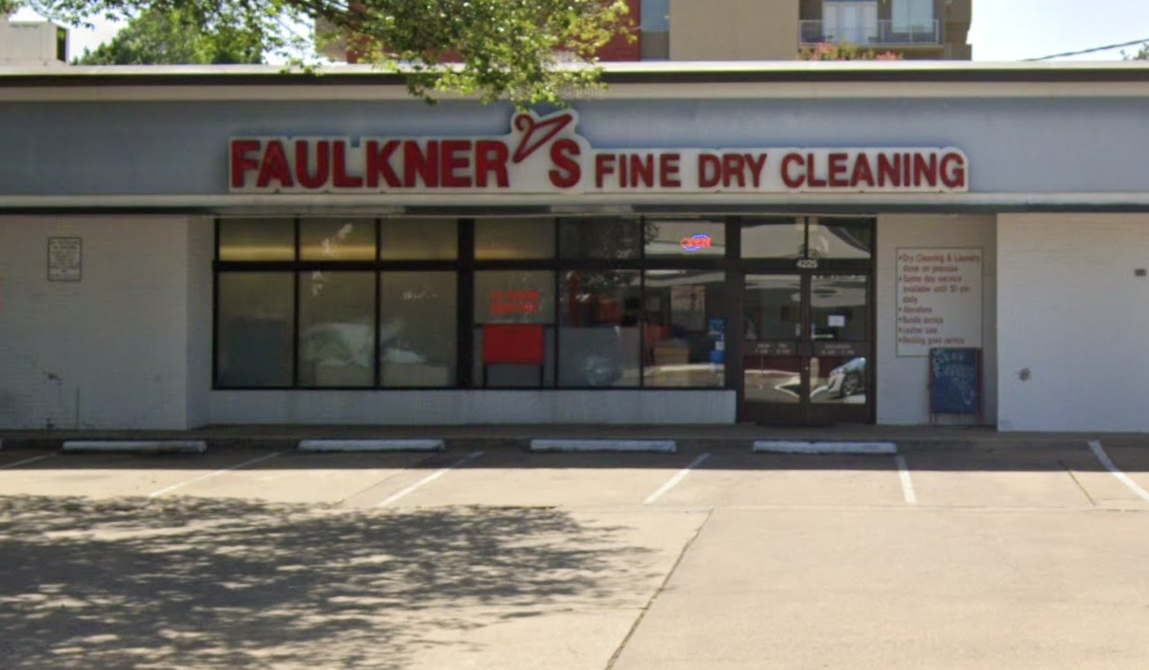
Faulkner’s Dry Cleaning and Laundry offers professional cleaning and preservation for brides who want long-term peace of mind.
As brides decide whether preservation is necessary, Faulkner’s Dry Cleaning and Laundry reminds them that the first year after the wedding is often when fabric damage begins. Sealing a dress without proper cleaning and protection can increase the risk of yellowing, oxidation, and permanent staining.
Faulkner’s Dry Cleaning and Laundry specializes in both wedding dress cleaning and long-term preservation. The company’s specialists inspect and pretreat stains, clean gowns using environmentally safe Ecosolve, and package each dress with acid-free materials to help reduce the risk of discoloration and oxidation.
For more information about wedding dress cleaning and preservation, Faulkner’s Dry Cleaning and Laundry in Dallas can be reached by phone at (213) 325-6397 or by email at info@faulknercleaners.com.


Contact Information:
Faulkner’s Fine Dry Cleaning
1505 W Davis St, Dallas, TX 75208, USA
Dallas, TX 75208
United States
Tom Faulkner
https://faulknerscleaners.com/
Original Source: https://faulknerscleaners.com/does-every-wedding-dress-need-preservation-heres-how-to-decide/