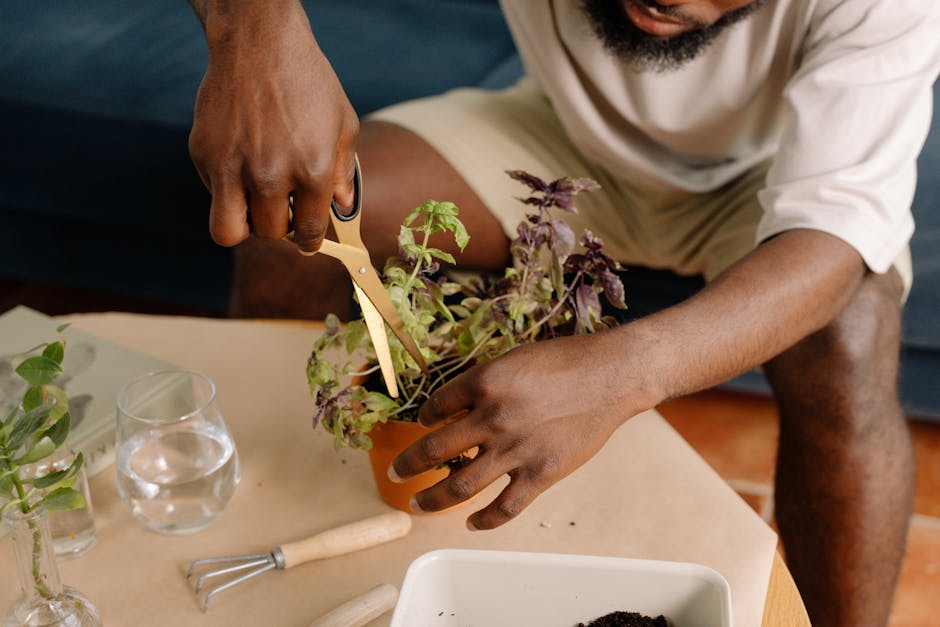
Grocery store herbs are harvested days before they reach the shelf, and by the time you get them home, much of their flavor and nutritional value has already started to fade away quietly.
For people chasing fresher food without constant store trips, growing food indoors has become a genuinely practical option. Soil-free, countertop-friendly systems now make it possible to grow herbs, greens, and small vegetables right in your kitchen, and what experts say about the nutritional upside might surprise you.
What an Indoor Garden System Actually Is
Indoor garden systems let you grow plants at home without soil. Most popular systems today use hydroponics, a method where nutrients are delivered to plants directly through water rather than through soil.
In a hydroponic setup, plant roots sit in a nutrient-rich water solution while built-in LED lights replace sunlight. University of New Hampshire horticulture specialist Jonathan Ebba explains it simply: nutrients that plants would normally draw from soil are dissolved directly into the water instead. That shift creates a growing environment that is cleaner, faster, and far more controlled than a traditional garden bed.
These systems range from compact five-pod countertop units to larger vertical setups holding dozens of plants. Some include smartphone apps for monitoring water levels and light schedules, while others are fully manual and beginner-friendly.
The Honest Cost Breakdown
Before buying, most people want to know what they are actually getting into financially, and the answer depends on which type of system you go with.
Commercial hydroponic units typically cost between $175 and over $1,000, depending on size and features. For the budget-conscious, a DIY system built from basic hardware store supplies can start around $100 and support nine to twelve plants comfortably. After the initial purchase, ongoing maintenance costs — including electricity, water, nutrients, and replacement parts — are generally modest compared to the initial outlay, typically running well under 10% of the system’s purchase price each year.
Where Your Grocery Bill Actually Shrinks
The financial case gets clearer when you put real numbers side by side. The financial case gets clearer when you put real numbers side by side. Cost estimates vary by region and usage, but the general pattern holds: buying lettuce at the supermarket can run $200 or more annually for a regular household, while growing it hydroponically at home typically costs a fraction of that once the system is running.
High-value herbs sharpen the math even further. A single basil packet at the store costs roughly the same as a seed supply that keeps producing for months inside a hydroponic system, making the long-term savings hard to ignore.
What Nutrition Experts Actually Think About the Food Quality
Beyond cost, one of the strongest arguments for indoor systems is the quality of what they produce. Because hydroponic plants receive a precisely balanced nutrient solution directly at their roots, they tend to develop consistent vitamin and mineral content throughout the full growing cycle.
Indoor hydroponic produce can realistically be grown without pesticides, since the controlled environment keeps most pests out entirely. Knowing exactly what went into your food matters, especially for health-conscious families and regular home cooks. On top of that, harvesting directly from a living plant in your kitchen means getting produce at peak ripeness rather than food that has spent days in refrigerated transit before you ever touch it.
The Bigger Picture Beyond Your Kitchen
The case for indoor garden systems goes well past grocery savings or fresher pasta toppings. Sustainability and resource efficiency are two areas where these systems genuinely hold up under scrutiny.
Growing Food With a Smaller Environmental Footprint
Hydroponic systems recirculate water continuously, filtering and reusing it rather than letting it run off. Research published by MDPI found that hydroponic growing can use as little as 10% of the water required in conventional farming, and up to seven times less than greenhouse soil production. For households mindful of their environmental impact, that efficiency is worth noting.
Harvesting Year-Round Without a Seasonal Calendar
Because indoor systems artificially control light, temperature, and nutrients, changing seasons does not affect your harvest at all. Jonathan Ebba recommends a rolling harvest approach, sowing a small portion of your system weekly so something is always ready to pick. That kind of consistent, year-round production simply cannot be replicated with most outdoor gardens, particularly in colder regions or small urban apartments.
Crops That Actually Thrive Indoors
Choosing the right plants from the start makes the whole experience smoother and more rewarding. The crops that perform best in hydroponic systems include:
- Leafy greens like lettuce, spinach, and kale
- Herbs like basil, mint, cilantro, and parsley
- Small fruiting plants like cherry tomatoes and strawberries
Root vegetables like carrots and crops like corn do not perform well in these systems, so they are better suited to outdoor or soil-based gardens.
The Drawbacks Nobody Likes to Lead With
No fair review skips the limitations, and indoor garden systems do have real ones worth thinking through before you buy.
The upfront cost is the most obvious barrier, particularly for higher-end systems. Running LED lights for 12 to 14 hours daily does add to your electricity bill, and while LEDs are energy-efficient, that is a recurring cost that belongs in your budget calculations. Regular cleaning is also necessary, since warm and moist conditions can encourage algae growth between growing cycles. Keeping light away from the nutrient solution and maintaining good water aeration helps prevent that from becoming a persistent problem.
The learning curve is real, though manageable. Fork Farms puts it plainly: hydroponics is no different from picking up any other new skill, and most growers find their footing within the first few weeks.
DIY System or Ready-Made: Which One Makes More Sense
If budget is your main concern, building a small hydroponic system yourself is a legitimate and affordable path. Starting with two or three plastic storage containers, a grow light, liquid hydroponic fertilizer, and your chosen seeds is all it takes to get a basic system running.
What a Basic DIY Setup Requires
- Plastic storage containers with lids, roughly 15 to 20 inches long
- A grow light or reliable access to strong natural light
- Liquid hydroponic fertilizer and a pH testing kit
- Net pots, rockwool cubes, and a small fish tank aerator
Ready-made systems cost more upfront but eliminate most of the guesswork. For beginners who want reliable results without early troubleshooting, a quality commercial unit is often the smarter starting point, even at a premium price.
So, Is It Actually Worth It?
For anyone who regularly buys fresh herbs, salad greens, or small vegetables, an indoor garden system can pay for itself within months while delivering cleaner, fresher produce than most stores carry.
For someone who only occasionally uses fresh produce or already has a productive outdoor garden, the investment is harder to justify right away, though the year-round growing advantage still holds genuine appeal in colder climates or space-limited homes. If you are still deciding, it helps to think about how often you actually use fresh herbs and greens. For people who buy them regularly, the math tends to tip in favor of a system fairly quickly — especially if you start modest with a DIY build or a basic countertop unit.
Click & Grow LLC
2443 Fillmore Street
San Francisco
California
94115
United States